Enough
is
ENOUGH
Texas stands as the nation’s highest domestic producer of oil and gas, with profound repercussions on our communities and environments.
New frameworks and organizing strategies are necessary to achieve the equity and justice that our communities warrant for a just transition. Because the state and energy industry mutually support one another, it is incumbent upon us to fight the corruption, lobbying, disinformation, involuntary displacement, environmental racism, and degradation of the natural world by these primary actors.
TEJED is a coalition of 22 partner organizations across Texas from various sectors to co-develop a plan to improve energy access, curb carbon emissions, protect natural resources, and establish measures for transparency within local governments and corporations.
Enough is Enough Campaign
TEJED is launching a campaign called the Enough is Enough campaign to curb cumulative emissions. Our primary goal is to shift how air pollution is regulated in Texas. Instead of focusing on the source of pollution, whether a flare, frack well, coal plant, aggregate mine or a concrete batch plant, our efforts will shift the determination for acceptable pollution limits to the impact on humans and their health. This is Environmental Justice in practice because it will impact every community that is suffering from cumulative pollution impacts regardless of what kind.
We are building relationships across Texas amongst impacted communities and offer a unifying message about our shared experiences. The impacts of pollution are not adequately measured or controlled by either the TCEQ or the RRC because these agencies allow a set amount of toxic emission based on the facility emitting and not on the overall quality of the air. Our efforts will need collection of both air pollution and health impact studies, as well as a robust air monitoring system. We will also focus on the narrative around how people are organizing against corruption and towards democratic participation in decisions that impact our lives.
Our
Goals:
Require state agencies to consider cumulative impacts before issuing new permits.
Texas can be a leader along with states like Colorado, Pennsylvania and Wisconsin, that have all passed legislation requiring agencies to consider cumulative impacts before issuing permits.
Increase the number of monitoring and enforcement staff at state agencies.
Texas agencies can improve the way they monitor for air pollution and public health impacts and enforce their own rules, but only to a point. The state legislature approves funding for state agencies, and typically does not allow for as many staff as the agencies need to do their job well.
Expand the state’s air pollution monitoring network.
There is a lack of air monitors throughout the state of Texas. For example, the Dallas-Fort Worth Metropolitan Area has over 30 air pollution monitors, while the Eagle Ford Shale region in South Texas has only six, and some are frequently inoperable. There are no air quality monitors in West Texas, which has the most intense rates of flaring from oil and gas sites.
Conduct regular public health studies, identifying hot-spots of cancer, respiratory illnesses, and pre-term birth, among other health impacts associated with air pollution.
Some state agencies produce regular reports on asthma incidence, but there are not regular reports on all public health concerns associated with air pollution.
Make RRC permits contingent on TCEQ permits, ensuring communication between the agencies before permits are approved. No outstanding complaints.
TCEQ is not going through permit applications with a fine-toothed comb. Advocates are finding issues with permits. No consistent review process for permit applications.
Our Subteams

Organizing Subteam
Within the movement of equity and justice advocacy, various communities develop messaging and goals that are specific to their unique contexts. In our commitment to formulating an all-encompassing plan that empowers community organizers to effectively mobilize their constituencies, we are actively engaged in creating a statewide curriculum training program accessible to all organizers throughout Texas. The outcome of this curriculum, devised by and for the community, is to impart the necessary skills and knowledge to cultivate the next generation of leaders advancing this critical message.
Policy Subteam
Organizations spanning the state exhibit unique policy priorities and timelines, yet a common thread binds them—they share a profound affection for this state and its residents. Our current goal involves crafting a cohesive policy program that will concisely define objectives and proposed changes across 4 policy areas: environmental governance, energy democracy, waste management, and industrial policies. This outlined policy framework will serve as our guiding beacon to be shared with policy officials, leaders of frontline organizations, and engaged community members to encourage collective engagement towards the shared goals of justice.


Tane Ward, PhD
For over 20 years, Tane Ward, PhD has worked across the movement for social justice, bringing together the themes of equity and culture.
As an organizer, manager and director, he has been a part of hundreds of campaigns across multiple countries and states. Primarily he has worked against industrial megaprojects and in defense of culture. Ward has developed organizing curriculums, given presentations and trainings to staff, boards and commissions and numerous other organizations across the Southern US.
Ward studied social movements at the University of Texas, where he earned a Doctorate and Masters degrees in social anthropology. He has developed curriculums on race, class, gender, intersectionality as well as culture and ecology. He has worked at the intersection of Environmental Justice and Racial Equity as an organizer, manager, trainer and educator.
Within the last few years, Ward has facilitated the Texas Environmental Justice Equity and Democracy Coalition. He brings the values of culture and healing to the movement through managing this exciting work.
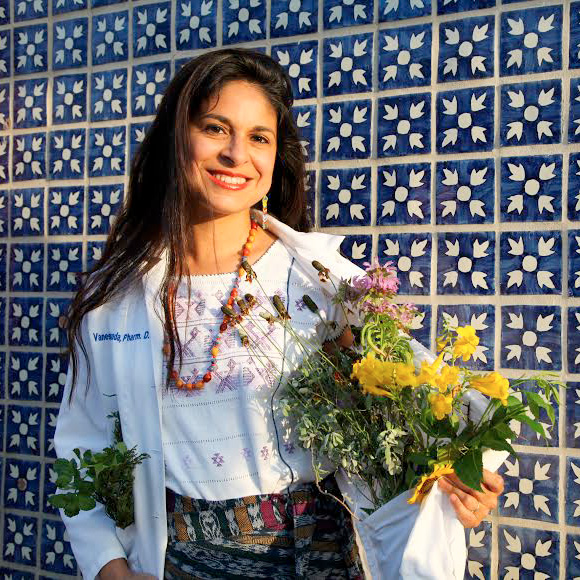
Dr. Vanessa Quezada
(she/her/ella)
Dr. Vanessa Quezada is a member of the Tap Pilam Coahuiltecan Nation, Xarame clan.
Vanessa is an engaging facilitator, culture bearer and weaver of communities with a profound ability to inspire people to activate their best and collaborate for the highest good of all. She knows how to read a room and gracefully incorporates moments of centering movement, play, and small-group work to draw on participants' multiple ways of knowing.
Her work spans the intersections of culture, food sovereignty, environmental justice and healing. As a founding member of SanArte Healing and Cultura Clinic and Sana Roots Co, she continues to learn from and connect with the land, family and interfaith community in Yanaguana (San Antonio, TX).
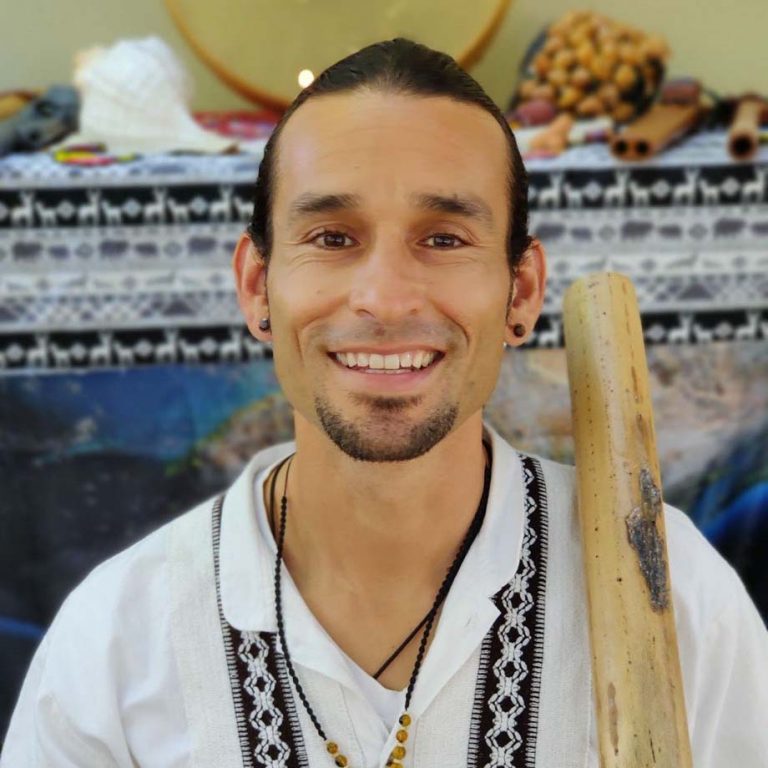
Gerardo Marin
(he/him/el)
Gerardo Omar Marín “GeRa”, raised in the Chihuahua desert border of El Paso, TX is Indigenous/ MeXicano/ Latino of mixed Guachichil Chichimecatl, Ashkenazi, & Spanish descent.
He is a passionate Facilitator, Thriving Teams Consultant, Traditional Mexican Healing Arts Practitioner and Deep Fulfillment Coach rooted in interfaith values of love, compassion, determination, and service. He is based in San Antonio, TX (Yanaguana/Somi-Sek) where he serves community-led organizations, youth empowerment networks, leaders, and mission-driven businesses to achieve success on their highest terms.
Over the last 15 years he has dedicated his energy to draw out the inherent wisdom, resilience, and creative imagination of young leaders and adults. Gera knows that the answers are already in our brilliant communities and is driven to create interactive experiences that engage multiple learning styles where all participants are teachers, learners, planners, and change-makers.
Gera is guided by a healing & transformation centered human development approach inspired by the pedagogy of the National Compadres Network and his Mama Alma’s core teachings. He has extensive experience guiding a reconditioning of the mind and body to perform at its highest potential through a combination of cognitive behavioral alignment exercises, mindfulness cultivation (beHereNowness), ritual, creative expression, music, and holistic fitness training.
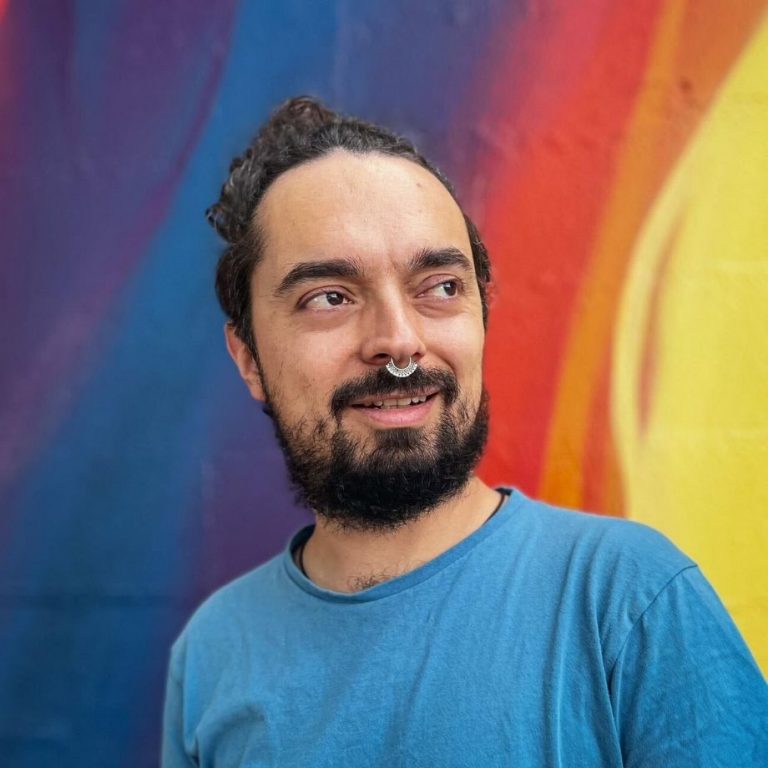
Victor-Andres Cruz
Need Bio
Need bio
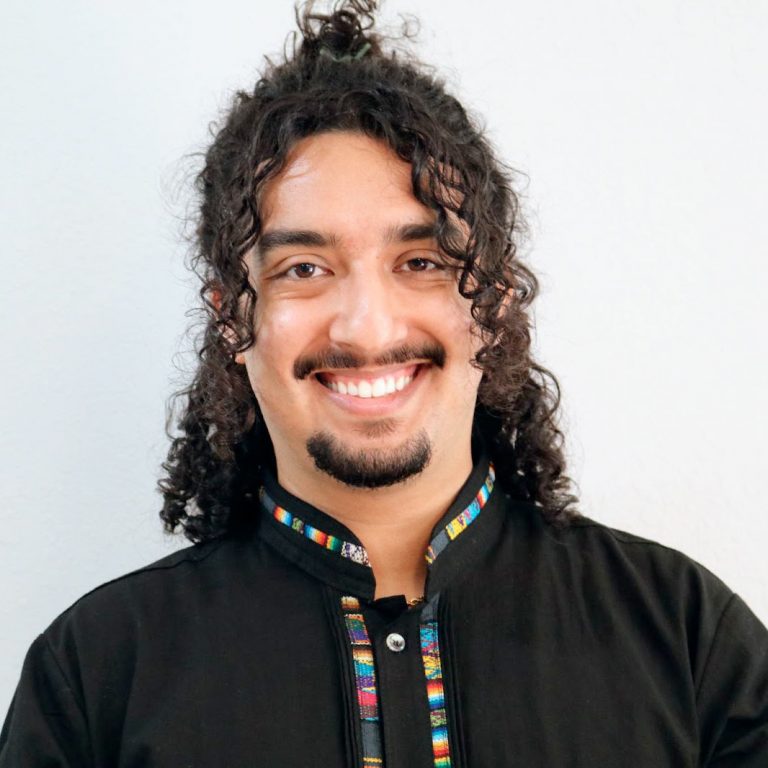
Mark-Joseph (MJ) León
Mark-Joseph (MJ) León was born in Long Beach, CA and raised in San Antonio, TX.
He is of mixed Mexican Indigenous, Basque, and Catalan ancestry. He deeply values equity, empathy, and honesty, and does his best to share these values with the world. He is a lifelong learner and has received his BA in Global Affairs. He intends to obtain a Ph.D. and J.D. with the hopes of practicing law to support Indigenous community organizing efforts in Latin America to develop a global just transition away from fossil fuels and mineral extraction.
He has a strong love for cooking and cherishes doing so alongside others. MJ is also interested in learning about restoring connections to traditional foods through land-based practices. He loves to visit his tía’s ranch to care for the animals and hopes to one day work in relation to the land to provide a safe, accessible point for the community to restore themselves in land-based work.